
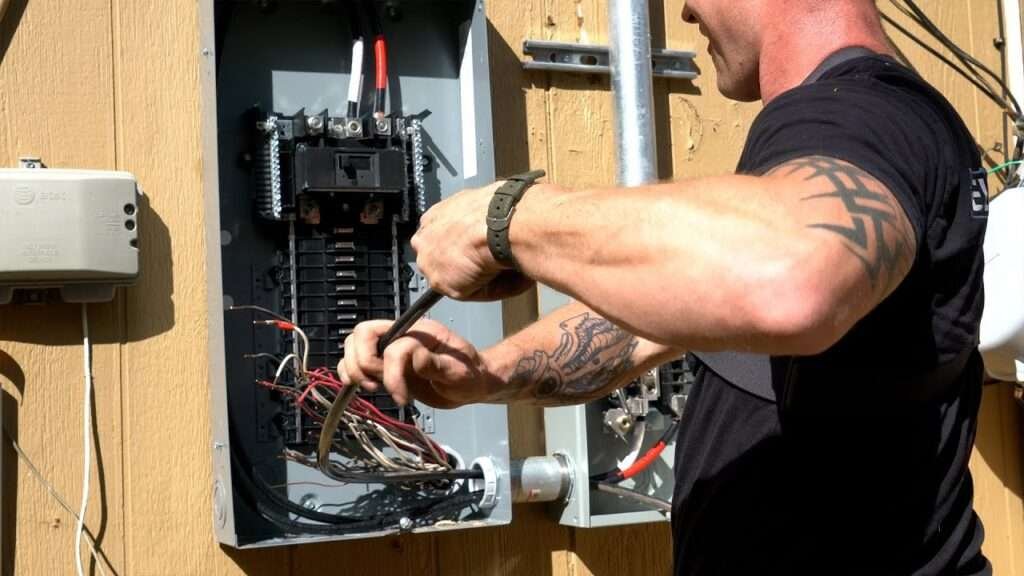
Your home’s electrical system plays a vital role in keeping everything running smoothly, from powering appliances to ensuring efficient lighting. A critical component of your electrical system is the residential electrical panel. This central hub distributes electricity throughout your home, ensuring that each part of your system functions properly. If your electrical panel is outdated, malfunctioning, or unable to handle your household’s power demand, it might be time to consider an electrical panel replacement or upgrading to a whole-house generator installation for added reliability and safety.
Understanding the Importance:
The residential electrical panel serves as the control center for your home’s electrical system. It is responsible for distributing power from the main supply into different circuits throughout the house. A properly functioning electrical panel is crucial for the following reasons:
- Safety: The panel is designed to protect your home from electrical hazards, such as short circuits and overloads, by installing triple-circuit breakers. A malfunctioning panel can increase the risk of fires or electrical accidents.
- Power Distribution: It controls the flow of electricity to various circuits, ensuring that each part of your home receives power according to its needs. A well-designed panel will efficiently distribute electricity, avoiding power loss or outages.
- Upgrading for Modern Demands: As more devices, appliances, and smart home systems are integrated into homes, electricity demand increases. A residential electrical panel capable of handling modern power loads is essential for maintaining a functional home.
If your current panel is outdated, doesn’t meet your power needs, or shows signs of wear and tear, it may be time to consider replacing it.
Why You Might Need an Electrical Panel Replacement
Over time, the residential electrical panel can deteriorate, posing risks such as electrical fires, frequent breaker trips, and inefficient power distribution. Here are some common signs that it might be time for a panel replacement:
- Frequent Breaker Trips: If your circuit breakers trip often, it could indicate that your panel is outdated or unable to handle your home’s electrical load.
- Signs of Wear or Damage: A panel exhibiting physical damage, such as scorch marks or rust, could be hazardous and should be replaced immediately.
- Inadequate Power Supply: Older panels may not provide sufficient power to meet modern electrical demands, especially as home appliances, electronics, and HVAC use grow.
- Outdated Technology: Electrical panels that don’t meet current safety codes or lack modern features such as AFCI (arc-fault circuit interrupters) or GFCI (ground-fault circuit interrupters) should be upgraded to improve safety.
By opting for electrical panel replacement, you can prevent potential electrical problems and ensure your home’s electrical system is safe and efficient. A licensed electrician can help you assess your current system and recommend a new panel that meets your needs.
A Backup Power Solution
A whole-house generator installation is an excellent option for homeowners who want to ensure they never lose power, especially during storms or other emergencies that may cause outages. These generators provide backup power to your entire home, ensuring that essential appliances and systems continue running when the grid goes down. Here’s why you should consider installing a whole-house generator:
- Uninterrupted Power Supply: your home will continue to receive power even during prolonged outages, keeping lights on, HVAC systems running, and essential appliances functioning.
- Automatic Operation: Whole house generators automatically turn on when a power outage is detected, ensuring you don’t have to manually start the generator during an emergency.
- Increased Home Value: Homes with backup power systems are more attractive to buyers, especially in areas prone to power interruptions. It adds an extra layer of security and convenience for any homeowner.
- Protecting Your Home and Appliances: Power outages can damage appliances and systems. It keeps your home protected from the potential consequences of losing power, such as frozen pipes or food spoilage in the fridge.
The Process of Electrical Panel Replacement and Generator Installation
Both electrical panel replacement and whole house generator installation are tasks best left to licensed professionals. Here’s a brief overview of what to expect during each process:
Electrical Panel Replacement:
- Consultation and Assessment: A licensed electrician will evaluate your current electrical panel and determine whether an upgrade is needed. They will consider your home’s size, electrical demands, and safety requirements.
- Removal and Replacement: The old panel will be safely disconnected and removed, and a new panel will be installed. The electrician will wire the new panel to meet your home’s electrical load and local safety codes.
- Testing and Safety Check: After installation, the electrician will test the panel to ensure it works correctly and safely. They will also check that all circuits are properly connected and that the system is functioning efficiently.
Whole House Generator Installation:
- Assessment and Planning: The installation process begins with a thorough assessment of your home’s electrical needs. The electrician will help determine the appropriate size and type of generator based on your power requirements.
- Generator Placement: The generator needs to be installed in a location that allows for proper ventilation and easy connection to your home’s electrical system. Your electrician will ensure the generator is installed according to the manufacturer’s guidelines.
- Installation and Connection: The electrician will wire the generator to your electrical panel, ensuring that it can automatically take over when the power goes out. The generator will also be connected to your fuel source, whether it’s natural gas, propane, or diesel.
- Testing: After installation, the electrician will run tests to ensure that the generator operates smoothly and automatically switches on during a power outage.
Conclusion
Both electrical panel replacement and whole house generator installation are significant investments in your home’s electrical system. By ensuring your residential electrical panel is up to date and that you have a backup generator in place, you can guarantee your home remains safe, functional, and comfortable, no matter the situation.
A licensed electrician can guide you through both the electrical panel replacement process and the installation of a whole house generator, ensuring that the work is completed safely and efficiently. Whether upgrading an outdated system or adding a backup power solution, these services will provide you with peace of mind and long-term reliability for your home’s electrical needs.